The future is here. Developers aren't just thinking about designing adaptable parking structures, they are designing them today and using them for alternative uses. Affordable artist colony Ace 121 in Glendale has an adaptable parking structure, designed by architecture firm Studio One Eleven. The parking structure serves both the community and an adjacent YMCA. By day, it parks cars, but during the evening and in off hours, it is designed to be used as an event space and garden gallery for sculptures created by the resident artists.
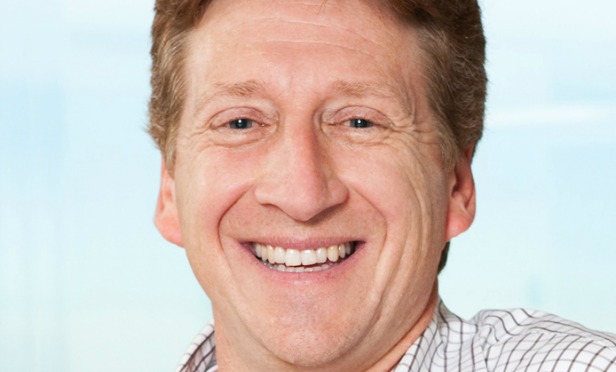
“The YMCA complex is a three-quarter-block area, and it is flaked on one side by a Spanish building that houses the gymnasium and housing units. On the other side, there is a 1960s building that has all of the other YMCA services, and on the third side of the building is Ace 121,” Michael Bohn, senior principal and design director at Studio One Eleven, tells GlobeSt.com. “In the parking court, which is surrounding by these distinct buildings, we wanted something more than a place to park cars. In the daytime, it will house cars, but in the evening we designed the space so that it can be closed off for events. We will also have an area to display the sculpture that is created over time and will transform the space into a sculpture garden.”
The movement toward adaptable parking garages and lots is growing fast in Los Angeles, especially as alternative transportation like mass transit and ride sharing services evolve. For new developments, there are significant parking requirements, and finding an alternative use for those spaces—especially imagining a near future when parking requirements will be reduced—is quickly coming into vogue. “Los Angeles has a lot of land dedicated to places to park cars, but now those spaces need to have alternative uses as well,” says Bohn. “We are big fans of complete streets where you can move cars, but you can also move bikes and people in an efficient manner. This is another way of using existing infrastructure in a more useful way for people.”
Studio One Eleven didn't stop at the parking structure. The firm also repurposed a back alley into a gathering space. “We also took the alley on the north side of the site and converted it into a people space,” explains Bohn. “It has great lighting that we strung across the alley and landscaping. Glendale, like Pasadena, has a history of having these really walkable paseos. This alley, which was dingy, now is a vibrant place for people and artists and can all serve as a spill out for the gallery.”
The future is here. Developers aren't just thinking about designing adaptable parking structures, they are designing them today and using them for alternative uses. Affordable artist colony Ace 121 in Glendale has an adaptable parking structure, designed by architecture firm Studio One Eleven. The parking structure serves both the community and an adjacent YMCA. By day, it parks cars, but during the evening and in off hours, it is designed to be used as an event space and garden gallery for sculptures created by the resident artists.
“The YMCA complex is a three-quarter-block area, and it is flaked on one side by a Spanish building that houses the gymnasium and housing units. On the other side, there is a 1960s building that has all of the other YMCA services, and on the third side of the building is Ace 121,” Michael Bohn, senior principal and design director at Studio One Eleven, tells GlobeSt.com. “In the parking court, which is surrounding by these distinct buildings, we wanted something more than a place to park cars. In the daytime, it will house cars, but in the evening we designed the space so that it can be closed off for events. We will also have an area to display the sculpture that is created over time and will transform the space into a sculpture garden.”
The movement toward adaptable parking garages and lots is growing fast in Los Angeles, especially as alternative transportation like mass transit and ride sharing services evolve. For new developments, there are significant parking requirements, and finding an alternative use for those spaces—especially imagining a near future when parking requirements will be reduced—is quickly coming into vogue. “Los Angeles has a lot of land dedicated to places to park cars, but now those spaces need to have alternative uses as well,” says Bohn. “We are big fans of complete streets where you can move cars, but you can also move bikes and people in an efficient manner. This is another way of using existing infrastructure in a more useful way for people.”
Studio One Eleven didn't stop at the parking structure. The firm also repurposed a back alley into a gathering space. “We also took the alley on the north side of the site and converted it into a people space,” explains Bohn. “It has great lighting that we strung across the alley and landscaping. Glendale, like Pasadena, has a history of having these really walkable paseos. This alley, which was dingy, now is a vibrant place for people and artists and can all serve as a spill out for the gallery.”
© Arc, All Rights Reserved. Request academic re-use from www.copyright.com. All other uses, submit a request to TMSalesOperations@arc-network.com. For more information visit Asset & Logo Licensing.