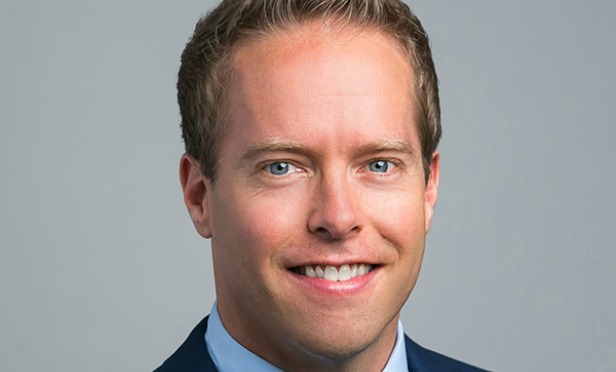
Hollywood is fast becoming the hottest office market in Los Angeles. The market has capitalized on the dearth of supply on the Westside and soaring rents, and has captured significant creative tenants. As a result, Hollywood is experiencing an office renaissance and new construction and rent growth. We sat down with Andy Lustgarten, corporate managing director, and Matt Brainard, office leasing expert, at Savills Studley to talk about the market's growth, new creative tenants and the new construction pipeline.
GlobeSt.com: What is driving office tenancy in Hollywood?
Andy Lustgarten: A variety of creative businesses have either chosen to relocate to Hollywood or are expanding there, like Viacom, Netflix, Buzzfeed. Hollywood has delivered several new or recently renovated high-quality office projects that have been excellent choices and alternatives to tight markets on the Westside. Many of these companies are creating content and require studios/sound stages, which has also been a huge driver. Hollywood is an organic ecosystem for these businesses. Additionally, new multifamily, retail, and mixed use projects have created more housing and lifestyle options for the employees of these companies, making Hollywood a much more attractive choice. Hollywood is also convenient for employees coming from the eastside and valleys.
GlobeSt.com: Are creative tenants dominating the growth in the market, like they do on the Westside?
Matt Brainard: Yes, creative tenants are the dominant driving force behind the growth of the Hollywood market and include content creation, studios, production, advertising/PR, and sales/marketing sectors.

GlobeSt.com: How is the market competing with other nearby emerging markets, like Culver City?
Lustgarten: Hollywood has a unique vibe as it is the entertainment capital of the world. Combined with attractive new construction office projects at competitive prices compared to the Westside, housing options and retail amenities, most creative companies are seriously considering Hollywood when evaluating their relocation options or, at the very least, adding it to the conversation.
On the flipside, one of the biggest challenges for Hollywood has been having enough parking for the denser office users, and the fact that the commute can be tough for workers living on the Westside, in the South Bay or further away.
GlobeSt.com: Why are tenants more attracted to Hollywood than DTLA, which is also emerging and looking to attract this tenant base?
Brainard: Hollywood has a more creative and edgy image than DTLA. There are also more prominent creative businesses and studios already located in Hollywood, therefore attracting more similar and like-minded organizations from other submarkets.
GlobeSt.com: Tell me about the new construction pipeline and how it is keeping pace with demand.
Lustgarten: Hollywood has a robust pipeline with more than 2 million square feet in the works; 300,000 square feet are under construction and a further 1.7 million square feet are planned. Demand would need to remain at high levels in order to absorb these planned projects. It remains to be seen if this will be sustained over a long enough period to support the amplified development activity.
Hollywood is fast becoming the hottest office market in Los Angeles. The market has capitalized on the dearth of supply on the Westside and soaring rents, and has captured significant creative tenants. As a result, Hollywood is experiencing an office renaissance and new construction and rent growth. We sat down with Andy Lustgarten, corporate managing director, and Matt Brainard, office leasing expert, at Savills Studley to talk about the market's growth, new creative tenants and the new construction pipeline.
GlobeSt.com: What is driving office tenancy in Hollywood?
Andy Lustgarten: A variety of creative businesses have either chosen to relocate to Hollywood or are expanding there, like Viacom, Netflix, Buzzfeed. Hollywood has delivered several new or recently renovated high-quality office projects that have been excellent choices and alternatives to tight markets on the Westside. Many of these companies are creating content and require studios/sound stages, which has also been a huge driver. Hollywood is an organic ecosystem for these businesses. Additionally, new multifamily, retail, and mixed use projects have created more housing and lifestyle options for the employees of these companies, making Hollywood a much more attractive choice. Hollywood is also convenient for employees coming from the eastside and valleys.
GlobeSt.com: Are creative tenants dominating the growth in the market, like they do on the Westside?
Matt Brainard: Yes, creative tenants are the dominant driving force behind the growth of the Hollywood market and include content creation, studios, production, advertising/PR, and sales/marketing sectors.
GlobeSt.com: How is the market competing with other nearby emerging markets, like Culver City?
Lustgarten: Hollywood has a unique vibe as it is the entertainment capital of the world. Combined with attractive new construction office projects at competitive prices compared to the Westside, housing options and retail amenities, most creative companies are seriously considering Hollywood when evaluating their relocation options or, at the very least, adding it to the conversation.
On the flipside, one of the biggest challenges for Hollywood has been having enough parking for the denser office users, and the fact that the commute can be tough for workers living on the Westside, in the South Bay or further away.
GlobeSt.com: Why are tenants more attracted to Hollywood than DTLA, which is also emerging and looking to attract this tenant base?
Brainard: Hollywood has a more creative and edgy image than DTLA. There are also more prominent creative businesses and studios already located in Hollywood, therefore attracting more similar and like-minded organizations from other submarkets.
GlobeSt.com: Tell me about the new construction pipeline and how it is keeping pace with demand.
Lustgarten: Hollywood has a robust pipeline with more than 2 million square feet in the works; 300,000 square feet are under construction and a further 1.7 million square feet are planned. Demand would need to remain at high levels in order to absorb these planned projects. It remains to be seen if this will be sustained over a long enough period to support the amplified development activity.
© Arc, All Rights Reserved. Request academic re-use from www.copyright.com. All other uses, submit a request to TMSalesOperations@arc-network.com. For more information visit Asset & Logo Licensing.