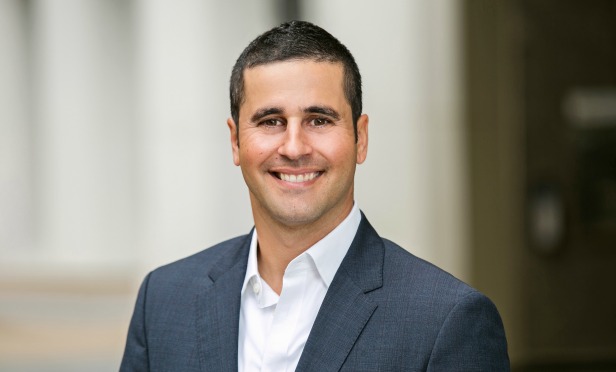
Activity in the capital markets has picked up in the midyear for every asset class—except retail. According to Shlomi Ronen, the founder and managing principal at Dekel Capital, who gave us a recent midyear update, activity is picking up momentum in all asset classes with the exception of retail, which continues to be “a question mark.” He isn't alone. Many experts has reported decreased sentiment for the retail market and sluggish stats for the first two quarters. We asked Ronen to weigh in on the inactivity in the retail market and give his perspective on how the market has changed and where it is headed in this exclusive interview.
GlobeSt.com: Why haven't the capital markets picked up for the retail sector?
Shlomi Ronen: Retail is still lagging and is really a question mark. I put retail in a broad context. I think generally, there is appetite across all asset classes. With retail, it is about understanding what it is. If it is the right type of retail, which seems to be grocery anchored retail and needs-based centers where the tenants aren't going to be as easily disintermediated by Amazon, there seems to be continued appetite to acquire and invest in those assets.
GlobeSt.com: How has the retail market changed?
Ronen: You really need to know the market. It is tough. Even the best of investors can't know who is going to make it and who is not. For example, there is a newly announced partnership between Sears and Kenmore to sell household appliances through Amazon. Home Depot's stock fell 4%, and I am assuming that is because those sales are a big part of Home Depot's revenue. It is moving so quickly that you need to make sure that you are really getting adequately compensated for the risk that you are taking. The tenant landscape is changing, and we are seeing more food concepts come in. However, there is plenty of real estate available for retail. Tenants have lots of options, and that is where the investor comes in. It is not all going away. I am not a believer that we are going to be in a totally digital world. For the investor, it is really about understanding the product, the location and the trends in the location and where the retailers want to be, and buying those centers.
GlobeSt.com: How do you expect Amazon's purchase of Whole Foods to affect the retail market?
Ronen: Amazon is making inroads, and the way that people are shopping today and in the rest of the country is really changing. In L.A., we are at an advantage because we are in a highly dense urban environment where they have been rolling out some of these web delivery services. Even 50 miles south in Orange County, they don't have the service options that we do. This is going to enable them to provide some of those services in more markets across the country, and use the Whole Foods store as another distribution point. One of their biggest challenges has been trying to find industrial infill within the last five miles in the urban locations. This really solves part of that, and you may see them reconfigure the stores as a result.
Activity in the capital markets has picked up in the midyear for every asset class—except retail. According to Shlomi Ronen, the founder and managing principal at Dekel Capital, who gave us a recent midyear update, activity is picking up momentum in all asset classes with the exception of retail, which continues to be “a question mark.” He isn't alone. Many experts has reported decreased sentiment for the retail market and sluggish stats for the first two quarters. We asked Ronen to weigh in on the inactivity in the retail market and give his perspective on how the market has changed and where it is headed in this exclusive interview.
GlobeSt.com: Why haven't the capital markets picked up for the retail sector?
Shlomi Ronen: Retail is still lagging and is really a question mark. I put retail in a broad context. I think generally, there is appetite across all asset classes. With retail, it is about understanding what it is. If it is the right type of retail, which seems to be grocery anchored retail and needs-based centers where the tenants aren't going to be as easily disintermediated by Amazon, there seems to be continued appetite to acquire and invest in those assets.
GlobeSt.com: How has the retail market changed?
Ronen: You really need to know the market. It is tough. Even the best of investors can't know who is going to make it and who is not. For example, there is a newly announced partnership between Sears and Kenmore to sell household appliances through Amazon.
GlobeSt.com: How do you expect Amazon's purchase of Whole Foods to affect the retail market?
Ronen: Amazon is making inroads, and the way that people are shopping today and in the rest of the country is really changing. In L.A., we are at an advantage because we are in a highly dense urban environment where they have been rolling out some of these web delivery services. Even 50 miles south in Orange County, they don't have the service options that we do. This is going to enable them to provide some of those services in more markets across the country, and use the Whole Foods store as another distribution point. One of their biggest challenges has been trying to find industrial infill within the last five miles in the urban locations. This really solves part of that, and you may see them reconfigure the stores as a result.
© Arc, All Rights Reserved. Request academic re-use from www.copyright.com. All other uses, submit a request to TMSalesOperations@arc-network.com. For more information visit Asset & Logo Licensing.