
Multifamily demand continues to outpace supply, and it is driving robust activity in the lending market. While lender appetite remains healthy, there are a few market obstacles for borrowers to consider when looking for financing, like rising interest rates and tightening for construction financing. We sat down with the managing principals at George Smith Partners to ask how the multifamily lending market is performing today, how it has changed and where it is headed. Here, they answer all of our questions for borrowers looking for multifamily financing today.
GlobeSt.com: In general, multifamily has been the darling of CRE this cycle. How are lenders responding to multifamily deals today?
Gary E. Mozer: Multifamily lending remains robust as demand for housing continues to outpace supply. Term debt is competitive with institutional-quality, Class-A multifamily pricing as tight as the low-to-mid three percent range for sub 50% LTV. Bridge financing is possible with agencies, banks and debt funds with spreads starting at LIBOR + 2.25% for cash-flowing properties at 65% leverage and going up to LIBOR + 4.75% at 90% LTC for urban infill sites. Construction is pricier and more selective; generally, spreads have widened between 50 and 150 basis points depending on sponsorship, market and recourse. Non-recourse senior construction financing is available up to 60% LTC at LIBOR + 4.25% and preferred equity can be priced as tight as 9% up to 80% LTC. Overall, multifamily is still a preferred asset class with liquidity already in the bridge and take-out markets because of Fannie Mae and Freddie Mac. Other lenders have found ways to compete in pricing and/or proceeds, and have made the market robust but inefficient.
GlobeSt.com: What is your advice to multifamily borrowers in Los Angeles when looking for financing?
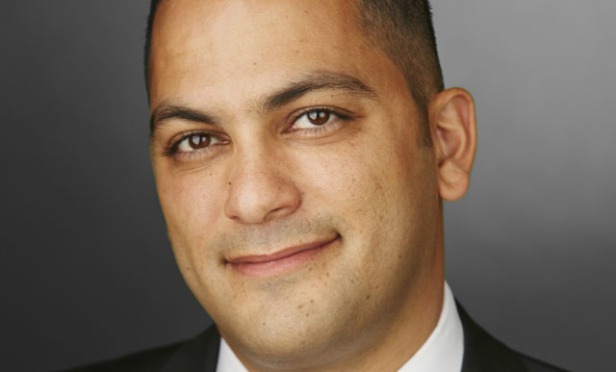
Shahin Yazdi: The number one factor that lenders consider in their underwriting is net operating income. To secure a competitive loan, multifamily borrowers must be able to demonstrate that their assets are generating enough income to support the requested loan amount.
Other factors to be aware of in multifamily lending:
Permanent loans – Lenders are often more lenient with debt coverage ratio for stabilized properties and low leverage loans; however, strong net operating income remains essential to securing the most competitive rates.
Bridge loans – To obtain short-term capital solutions, multifamily borrowers must communicate the strength of their investment strategy and their projected rent growth.
Construction loans – Financing new ground-up multifamily development has definitely become trickier, especially in submarkets such as Koreatown, Hollywood, and downtown Los Angeles, which have recently seen a large influx in new inventory.
As a result, borrowers must be prepared to prove that market fundamentals make sense to support new development.
In addition, capital availability can vary depending on the submarket. On the Westside, there is tremendous demand and strong lender appetite for multifamily. In areas such as downtown, on the other hand, lenders are scrutinizing deals, given the surge in new supply in this market. Borrowers must take the location of their assets into consideration when seeking financing.

GlobeSt.com: What are some of the challenges that multifamily borrowers are facing that they weren't a year ago?
Bryan Shaffer: The biggest challenge has been the overall change in lenders' attitude toward multifamily at this point in the current cycle. Lenders are being a bit more conservative than they were five years ago, based on concerns regarding overbuilding and rent growth moderation, especially for new, Class A multifamily product.
That said, there is still plenty of capital available to finance multifamily, as long as borrowers are able to demonstrate market demand and net operating income. For example, given the price difference between Class A and Class B rents, we are now seeing strong resident demand for more affordable alternatives to new Class A luxury construction. As a result, these Class B assets are staying fully occupied, making them an attractive option for investors and lenders.
That's not to say that lenders aren't willing to finance new Class A multifamily. Borrowers must simply work closely with a financial intermediary to make their case to lenders, and prove that there is enough demand to support new development and sustain rent growth.

GlobeSt.com: Should borrowers be concerned about rising interest rates?
Malcolm Davies: I think it's wise to pay attention to rates and what they are doing. However, it's only one piece of the puzzle. While you would expect that in a rising interest rate environment there could be downward pressure on commercial real estate values. However, higher rates tend to also be associated with a strong real estate market as well because the economy is doing well. There is a push & tug between these factors.
The one wild card you have to consider as well, is the regulatory environment. In the 2000's, while rates were increasing, property values were increasing as well. The main reason was due to a lax regulatory environment, which helped spur growth, but helped create the Great Recession as we all know now.
I think in today's environment, everyone should pay attention to the strength of economy (feels very good), regulatory adjustments (seems likely) and interest rates (likely to increase).

GlobeSt.com: What is your outlook for multifamily financing next year?
Steve Bram: Multifamily construction financing will be much more difficult in 2018 compared to previous years. Many large lenders are at full capacity, and regulations regarding wages and affordable housing are squeezing the feasibility of projects. That said, there are still select lenders for apartments. For example, we are closing a $60 million construction loan now at Libor + 250, the best rate we have seen.
GlobeSt.com: Given the Basel III restrictions and concerns about overbuilding, construction financing has definitely become more challenging. How are borrowers still obtaining competitive financing, especially for ground-up multifamily development?
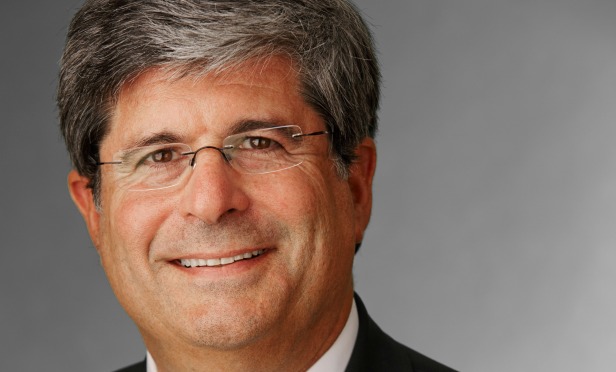
Gary M. Tenzer: For a bank to make a construction or bridge loan in compliance with Basel III, HVCRE regulations, they must impose a strict 15% borrower equity requirement comprised of cash or contributed land, valued at cost (which must stay invested while the loan is outstanding) and stipulate that leverage cannot exceed 80% without penalties. Based on these restrictions, banks have definitely become more conservative when it comes to financing new ground-up development.
That said, there are still ways to finance new multifamily development:
Restructure the Capital Stack: For example, there's a deal we're working on right now in which the capital stack was initially structured to include a preferred equity tranche provided by one of the sponsors. The bank required that we convert the preferred equity into mezzanine debt because the bank can pay debt service on debt but not a return on equity. Sometimes, it's a matter of capital restructuring to comply with HVCRE regulations.
Source non-banks: There are plenty of non-regulated capital sources that issue bridge and construction loans. These include debt funds, hard money funds, and the like. While slightly more expensive than a bank, these sources will usually provide higher leverage, non-recourse loans, and are more willing to take on deals with a higher risk profile.

GlobeSt.com: What multifamily markets are poised for the most growth in the year ahead?
Jonathan Lee: Secondary and tertiary markets will see the most growth in the year to come. Most people are familiar with the building going on in Los Angeles, Denver, and San Francisco. These markets are seeing modest rent growth, and some believe rents will flatten or even dip when the supply of new product comes online. The under-appreciated fact is cities like Boise, ID, Colorado Springs and Fort Lewis, CO, Albuquerque, NM and Bozeman, MT have seen very little construction. But these cities are experiencing job growth, which in turn has fueled population growth. With no new product coming online, the existing product will see rent growth similar to Sacramento, which is one of the highest appreciating markets year-over-year.
Multifamily demand continues to outpace supply, and it is driving robust activity in the lending market. While lender appetite remains healthy, there are a few market obstacles for borrowers to consider when looking for financing, like rising interest rates and tightening for construction financing. We sat down with the managing principals at George Smith Partners to ask how the multifamily lending market is performing today, how it has changed and where it is headed. Here, they answer all of our questions for borrowers looking for multifamily financing today.
GlobeSt.com: In general, multifamily has been the darling of CRE this cycle. How are lenders responding to multifamily deals today?
Gary E. Mozer: Multifamily lending remains robust as demand for housing continues to outpace supply. Term debt is competitive with institutional-quality, Class-A multifamily pricing as tight as the low-to-mid three percent range for sub 50% LTV. Bridge financing is possible with agencies, banks and debt funds with spreads starting at LIBOR + 2.25% for cash-flowing properties at 65% leverage and going up to LIBOR + 4.75% at 90% LTC for urban infill sites. Construction is pricier and more selective; generally, spreads have widened between 50 and 150 basis points depending on sponsorship, market and recourse. Non-recourse senior construction financing is available up to 60% LTC at LIBOR + 4.25% and preferred equity can be priced as tight as 9% up to 80% LTC. Overall, multifamily is still a preferred asset class with liquidity already in the bridge and take-out markets because of
GlobeSt.com: What is your advice to multifamily borrowers in Los Angeles when looking for financing?
Shahin Yazdi: The number one factor that lenders consider in their underwriting is net operating income. To secure a competitive loan, multifamily borrowers must be able to demonstrate that their assets are generating enough income to support the requested loan amount.
Other factors to be aware of in multifamily lending:
Permanent loans – Lenders are often more lenient with debt coverage ratio for stabilized properties and low leverage loans; however, strong net operating income remains essential to securing the most competitive rates.
Bridge loans – To obtain short-term capital solutions, multifamily borrowers must communicate the strength of their investment strategy and their projected rent growth.
Construction loans – Financing new ground-up multifamily development has definitely become trickier, especially in submarkets such as Koreatown, Hollywood, and downtown Los Angeles, which have recently seen a large influx in new inventory.
As a result, borrowers must be prepared to prove that market fundamentals make sense to support new development.
In addition, capital availability can vary depending on the submarket. On the Westside, there is tremendous demand and strong lender appetite for multifamily. In areas such as downtown, on the other hand, lenders are scrutinizing deals, given the surge in new supply in this market. Borrowers must take the location of their assets into consideration when seeking financing.
GlobeSt.com: What are some of the challenges that multifamily borrowers are facing that they weren't a year ago?
Bryan Shaffer: The biggest challenge has been the overall change in lenders' attitude toward multifamily at this point in the current cycle. Lenders are being a bit more conservative than they were five years ago, based on concerns regarding overbuilding and rent growth moderation, especially for new, Class A multifamily product.
That said, there is still plenty of capital available to finance multifamily, as long as borrowers are able to demonstrate market demand and net operating income. For example, given the price difference between Class A and Class B rents, we are now seeing strong resident demand for more affordable alternatives to new Class A luxury construction. As a result, these Class B assets are staying fully occupied, making them an attractive option for investors and lenders.
That's not to say that lenders aren't willing to finance new Class A multifamily. Borrowers must simply work closely with a financial intermediary to make their case to lenders, and prove that there is enough demand to support new development and sustain rent growth.
GlobeSt.com: Should borrowers be concerned about rising interest rates?
Malcolm Davies: I think it's wise to pay attention to rates and what they are doing. However, it's only one piece of the puzzle. While you would expect that in a rising interest rate environment there could be downward pressure on commercial real estate values. However, higher rates tend to also be associated with a strong real estate market as well because the economy is doing well. There is a push & tug between these factors.
The one wild card you have to consider as well, is the regulatory environment. In the 2000's, while rates were increasing, property values were increasing as well. The main reason was due to a lax regulatory environment, which helped spur growth, but helped create the Great Recession as we all know now.
I think in today's environment, everyone should pay attention to the strength of economy (feels very good), regulatory adjustments (seems likely) and interest rates (likely to increase).
GlobeSt.com: What is your outlook for multifamily financing next year?
Steve Bram: Multifamily construction financing will be much more difficult in 2018 compared to previous years. Many large lenders are at full capacity, and regulations regarding wages and affordable housing are squeezing the feasibility of projects. That said, there are still select lenders for apartments. For example, we are closing a $60 million construction loan now at Libor + 250, the best rate we have seen.
GlobeSt.com: Given the Basel III restrictions and concerns about overbuilding, construction financing has definitely become more challenging. How are borrowers still obtaining competitive financing, especially for ground-up multifamily development?
Gary M. Tenzer: For a bank to make a construction or bridge loan in compliance with Basel III, HVCRE regulations, they must impose a strict 15% borrower equity requirement comprised of cash or contributed land, valued at cost (which must stay invested while the loan is outstanding) and stipulate that leverage cannot exceed 80% without penalties. Based on these restrictions, banks have definitely become more conservative when it comes to financing new ground-up development.
That said, there are still ways to finance new multifamily development:
Restructure the Capital Stack: For example, there's a deal we're working on right now in which the capital stack was initially structured to include a preferred equity tranche provided by one of the sponsors. The bank required that we convert the preferred equity into mezzanine debt because the bank can pay debt service on debt but not a return on equity. Sometimes, it's a matter of capital restructuring to comply with HVCRE regulations.
Source non-banks: There are plenty of non-regulated capital sources that issue bridge and construction loans. These include debt funds, hard money funds, and the like. While slightly more expensive than a bank, these sources will usually provide higher leverage, non-recourse loans, and are more willing to take on deals with a higher risk profile.
GlobeSt.com: What multifamily markets are poised for the most growth in the year ahead?
Jonathan Lee: Secondary and tertiary markets will see the most growth in the year to come. Most people are familiar with the building going on in Los Angeles, Denver, and San Francisco. These markets are seeing modest rent growth, and some believe rents will flatten or even dip when the supply of new product comes online. The under-appreciated fact is cities like Boise, ID, Colorado Springs and Fort
© Arc, All Rights Reserved. Request academic re-use from www.copyright.com. All other uses, submit a request to TMSalesOperations@arc-network.com. For more information visit Asset & Logo Licensing.