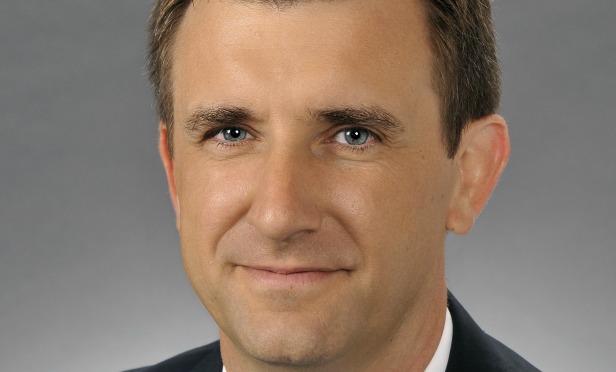
Entertainment and media tenants are flocking to the Century City market, according to the latest skyline report from JLL. The report compare the class-A high-rise markets in Century City and Downtown Los Angeles, and found that Century City still remains king of the high-rise market. Skyline vacancy in the Century City market is 7.8% and trophy buildings have an 8.6% vacancy rate. Comparatively, Downtown Los Angeles has a 15.4% vacancy rate and trophy properties have an 18.6% vacancy rate. To find out more about the success of the Century City market, how it is attracting creative tenants and how Downtown Los Angeles stacks up, we sat down with JLL's Josh Wrobel for an exclusive interview.
GlobeSt.com: How is Century City able to fill its high-rise office, while DTLA has huge vacancy for this space?
Josh Wrobel: West L.A. as a whole has seen tremendous leasing activity in the last 12 months and Century City has been one of the primary beneficiaries. Century City has experienced major migration from West Hollywood (notably IPG), Santa Monica and Beverly Hills in addition to key organic growth. The entertainment industry has been the catalyst for a majority of this growth as industry leaders (Fox) continue to expand their Century City footprint and the health of the entertainment industry on the whole has led to the growth in the talent agencies and law firms that service the entertainment industry. Downtown Los Angeles' has not experienced similar organic growth since the tenant base of DTLA is still shifting to attract the next wave of media, entertainment and technology tenants that have been the foundation of the nearly 8 million square feet of Los Angeles Basin positive absorption since the recession. That said, Downtown has experienced continued migration/organic growth from the architectural, engineering and construction services industry and we expect that Downtown will attract a few large tenants to the CBD and the Arts District that will be market movers and drive needed absorption.
GlobeSt.com: How are both markets looking to attract more creative tenants?
Wrobel: Century City and Downtown have both taken significant steps to create an environment to attract media, entertainment and technology tenants. With the renovation of the Westfield mall in Century City, Century City continues to add the local high-end tenant amenities that the entertainment/creative tenants are enticed by. Downtown Los Angeles owners have pushed to “hack” their plazas and buildings to create unique spaces as well as more energetic common area environments. Quick grab coffee kiosks in the plaza, lobby level club-like experiences and outdoor or plaza level gym/spin classes are working to turn previously under-utilized plaza spaces into highly used and important amenities for the workplace. In addition to the plaza level hacks, Downtown owners have also looked at unique opportunities to hack into their building's office space to create one-of-a-kind spaces. Nixon Peabody's Sky Deck on the 42nd floor of One Cal Plaza, BCG's “hacked” mechanical floor at City National Bank Plaza and the continued creativity of Gensler's use of the Jewel Box and Tower Bridge are just a few examples of owners in Downtown creating unique space that are dramatically changing the look and feel of their projects.
GlobeSt.com: Why is it important for these markets to attract creative tenants? Do they need this tenant base to be successful in today's office market?
Wrobel: Historically, Century City and Downtown worked off of a fundamental foundation of more traditional office users (FIRE industry tenancy). In today's market, while it is good to have the FIRE industry tenants as a solid base to work from, the FIRE industry tenant base has remained relatively static (and in some cases, the FIRE industry's push for efficiency has decreased their overall footprint). As a result, it is extremely important for any and all markets to attract media, entertainment and technology tenants because, as noted, the overwhelmingly majority of the positive absorption has come from these high growth industries.
GlobeSt.com: How is creative space performing in these markets?
Wrobel: When companies are look to recruit and retain employees, their focus has been on creating a working environment that emphasizes community and reflects the specific culture of the company. The renewed focus on the work environment and leveraging the workspace as a recruiting tool has resulted in more companies embracing more open, collaborative work environments. Even companies that fall into the more “traditional” category have made significant shifts in their spaces to add “residential/creative/community” flairs in an effort to inject their offices with more light and energy. As such, creative spaces are becoming the new norm for tenant builds and owners have been following this wave to create build-to-suits and spec suites to reflect these shifts.
GlobeSt.com: How are investors responding to this activity?
Wrobel: Across the board, regardless of which submarket their building resides in, owners have been embracing the trend toward creative spaces by building more spec suites and marketing suites with more residential elements. In addition, owners are white boxing floors and cleaning up spaces to highlight ceiling heights with exposed ceiling and clean, polished concrete floors. Finally, most new developments are focusing on highlighting key aspects that tenants of all types desire; designing their projects to include more natural light (via floor to ceiling glass), enhanced building systems to be more energy efficient and healthy, and to offer authentic common areas amenities that best position their buildings to attract their target tenant base.
Entertainment and media tenants are flocking to the Century City market, according to the latest skyline report from JLL. The report compare the class-A high-rise markets in Century City and Downtown Los Angeles, and found that Century City still remains king of the high-rise market. Skyline vacancy in the Century City market is 7.8% and trophy buildings have an 8.6% vacancy rate. Comparatively, Downtown Los Angeles has a 15.4% vacancy rate and trophy properties have an 18.6% vacancy rate. To find out more about the success of the Century City market, how it is attracting creative tenants and how Downtown Los Angeles stacks up, we sat down with JLL's Josh Wrobel for an exclusive interview.
GlobeSt.com: How is Century City able to fill its high-rise office, while DTLA has huge vacancy for this space?
Josh Wrobel: West L.A. as a whole has seen tremendous leasing activity in the last 12 months and Century City has been one of the primary beneficiaries. Century City has experienced major migration from West Hollywood (notably IPG), Santa Monica and Beverly Hills in addition to key organic growth. The entertainment industry has been the catalyst for a majority of this growth as industry leaders (Fox) continue to expand their Century City footprint and the health of the entertainment industry on the whole has led to the growth in the talent agencies and law firms that service the entertainment industry. Downtown Los Angeles' has not experienced similar organic growth since the tenant base of DTLA is still shifting to attract the next wave of media, entertainment and technology tenants that have been the foundation of the nearly 8 million square feet of Los Angeles Basin positive absorption since the recession. That said, Downtown has experienced continued migration/organic growth from the architectural, engineering and construction services industry and we expect that Downtown will attract a few large tenants to the CBD and the Arts District that will be market movers and drive needed absorption.
GlobeSt.com: How are both markets looking to attract more creative tenants?
Wrobel: Century City and Downtown have both taken significant steps to create an environment to attract media, entertainment and technology tenants. With the renovation of the Westfield mall in Century City, Century City continues to add the local high-end tenant amenities that the entertainment/creative tenants are enticed by. Downtown Los Angeles owners have pushed to “hack” their plazas and buildings to create unique spaces as well as more energetic common area environments. Quick grab coffee kiosks in the plaza, lobby level club-like experiences and outdoor or plaza level gym/spin classes are working to turn previously under-utilized plaza spaces into highly used and important amenities for the workplace. In addition to the plaza level hacks, Downtown owners have also looked at unique opportunities to hack into their building's office space to create one-of-a-kind spaces.
GlobeSt.com: Why is it important for these markets to attract creative tenants? Do they need this tenant base to be successful in today's office market?
Wrobel: Historically, Century City and Downtown worked off of a fundamental foundation of more traditional office users (FIRE industry tenancy). In today's market, while it is good to have the FIRE industry tenants as a solid base to work from, the FIRE industry tenant base has remained relatively static (and in some cases, the FIRE industry's push for efficiency has decreased their overall footprint). As a result, it is extremely important for any and all markets to attract media, entertainment and technology tenants because, as noted, the overwhelmingly majority of the positive absorption has come from these high growth industries.
GlobeSt.com: How is creative space performing in these markets?
Wrobel: When companies are look to recruit and retain employees, their focus has been on creating a working environment that emphasizes community and reflects the specific culture of the company. The renewed focus on the work environment and leveraging the workspace as a recruiting tool has resulted in more companies embracing more open, collaborative work environments. Even companies that fall into the more “traditional” category have made significant shifts in their spaces to add “residential/creative/community” flairs in an effort to inject their offices with more light and energy. As such, creative spaces are becoming the new norm for tenant builds and owners have been following this wave to create build-to-suits and spec suites to reflect these shifts.
GlobeSt.com: How are investors responding to this activity?
Wrobel: Across the board, regardless of which submarket their building resides in, owners have been embracing the trend toward creative spaces by building more spec suites and marketing suites with more residential elements. In addition, owners are white boxing floors and cleaning up spaces to highlight ceiling heights with exposed ceiling and clean, polished concrete floors. Finally, most new developments are focusing on highlighting key aspects that tenants of all types desire; designing their projects to include more natural light (via floor to ceiling glass), enhanced building systems to be more energy efficient and healthy, and to offer authentic common areas amenities that best position their buildings to attract their target tenant base.
© Arc, All Rights Reserved. Request academic re-use from www.copyright.com. All other uses, submit a request to TMSalesOperations@arc-network.com. For more information visit Asset & Logo Licensing.