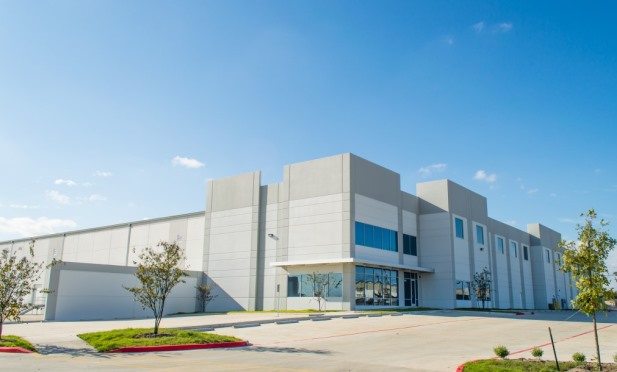
SAN ANTONIO—Investor appetite for secondary/non-core assets, specifically industrial, increased significantly this year. These intentions are becoming a reality across the widespread section of healthy non-core industrial markets in Texas, including San Antonio, which continues to attract investment through acquisitions and development from both existing and new investors.
While the overall Texas region continues to motivate buyers, San Antonio specifically is achieving attractive returns for industrial assets that are generally above Dallas, Houston and Austin, according to a recent CBRE Americas investor intentions survey. San Antonio is among the strongest non-primary markets in Texas, having matured and stabilized with a trailing five-year annual net absorption average above 1.6 million square feet and an average vacancy of 8.8%.
“San Antonio and other non-primary Texas industrial markets, like Austin and El Paso, are in a unique position in the current market cycle for investors from a yield perspective. Compressing cap rates in gateway markets have steered investors seeking higher yields into healthy non-primary markets where fundamentals are strengthening,” Robert Kramp, CBRE director of research and analysis, tells GlobeSt.com. “These market fundamentals support the development pipeline. Construction costs have generally remained below purchase price for several reasons and when coupled with limited prime industrial options (record low vacancy of 3.6% in late 2015), accelerated development and steady rent growth in 2016 and 2017. In the past four years, 19 different developers have deployed new construction starts in 40 projects throughout San Antonio, most of which were delivered occupied or leased shortly after. This is a remarkable number considering it excludes owner-occupied properties, a category expanding in its own right.”
The regional market has recently expanded by more than 25% both in size and occupied square feet, and its demand and demographic growth may well continue attracting additional investment. Locally, more than 38 million square feet has traded since 2011 to existing and new owners, says CBRE.
In 2016, the San Antonio industrial market recorded its seventh consecutive year of uninterrupted positive net absorption and the Central Texas market shows no sign of slowing through the first half of 2017. Analysis of historical and recent performance shows that San Antonio's industrial demand has significantly matured and stabilized, with a five-year trailing average annual net absorption above 1.6 million square feet and an average vacancy of 8.8% (compared to the trailing pre-recession average of 600,000 square feet and an average vacancy of 12.1%). This strong performance, coupled with robust rent growth, is encouraging capital deployment.
Acquisitions are not the only way capital is entering the market. The pipeline of new industrial development has significantly expanded through both build-to-suit and speculative development because of depleted available space (class-A vacancy was 3.6% in 2015). In fact, CBRE's tracked industrial set has expanded by nearly a third, or 9.8 million square feet since 2007, ultimately helping push total occupied stock to record highs in similar fashion.
“The primary drivers for industrial demand have continued to stem from two primary sources. First, San Antonio's centralized location offers a logistical advantage for distribution companies serving the south and central Texas markets. Second, San Antonio's manufacturing sector has seen a significant amount of growth over the past 10 years. As more manufacturers enter the market, it opens opportunities for suppliers and distributors that complement the overall manufacturing process. Industrial development activity has been strong over the past 24 months across several of the city's submarkets, with much of the activity focused in the northeast submarket,” Rob Burlingame, CBRE vice president, tells GlobeSt.com. “New deliveries have included several large build-to-suit projects for occupants needing larger spaces or more specialized facilities than are readily available in our industrial inventory. Some new developments were started on a purely speculative basis as a result of record low vacancy rates that peaked in late 2015 for class-A industrial product. These speculative properties have seen a tremendous amount of leasing activity occurring prior to delivery or shortly thereafter.”
Going forward, the San Antonio industrial market reflects favorable metrics. Its strategic positioning in Central Texas along Interstates 10, 35, and 37 makes it a competitive location for local, regional and international distribution. The regional economy has also shown strength through its expanding demographics and diverse employment growth–both of which are pillars for real estate forecast. Recent data show its maturity and stability could continue attracting investors.
SAN ANTONIO—Investor appetite for secondary/non-core assets, specifically industrial, increased significantly this year. These intentions are becoming a reality across the widespread section of healthy non-core industrial markets in Texas, including San Antonio, which continues to attract investment through acquisitions and development from both existing and new investors.
While the overall Texas region continues to motivate buyers, San Antonio specifically is achieving attractive returns for industrial assets that are generally above Dallas, Houston and Austin, according to a recent CBRE Americas investor intentions survey. San Antonio is among the strongest non-primary markets in Texas, having matured and stabilized with a trailing five-year annual net absorption average above 1.6 million square feet and an average vacancy of 8.8%.
“San Antonio and other non-primary Texas industrial markets, like Austin and El Paso, are in a unique position in the current market cycle for investors from a yield perspective. Compressing cap rates in gateway markets have steered investors seeking higher yields into healthy non-primary markets where fundamentals are strengthening,” Robert Kramp, CBRE director of research and analysis, tells GlobeSt.com. “These market fundamentals support the development pipeline. Construction costs have generally remained below purchase price for several reasons and when coupled with limited prime industrial options (record low vacancy of 3.6% in late 2015), accelerated development and steady rent growth in 2016 and 2017. In the past four years, 19 different developers have deployed new construction starts in 40 projects throughout San Antonio, most of which were delivered occupied or leased shortly after. This is a remarkable number considering it excludes owner-occupied properties, a category expanding in its own right.”
The regional market has recently expanded by more than 25% both in size and occupied square feet, and its demand and demographic growth may well continue attracting additional investment. Locally, more than 38 million square feet has traded since 2011 to existing and new owners, says CBRE.
In 2016, the San Antonio industrial market recorded its seventh consecutive year of uninterrupted positive net absorption and the Central Texas market shows no sign of slowing through the first half of 2017. Analysis of historical and recent performance shows that San Antonio's industrial demand has significantly matured and stabilized, with a five-year trailing average annual net absorption above 1.6 million square feet and an average vacancy of 8.8% (compared to the trailing pre-recession average of 600,000 square feet and an average vacancy of 12.1%). This strong performance, coupled with robust rent growth, is encouraging capital deployment.
Acquisitions are not the only way capital is entering the market. The pipeline of new industrial development has significantly expanded through both build-to-suit and speculative development because of depleted available space (class-A vacancy was 3.6% in 2015). In fact, CBRE's tracked industrial set has expanded by nearly a third, or 9.8 million square feet since 2007, ultimately helping push total occupied stock to record highs in similar fashion.
“The primary drivers for industrial demand have continued to stem from two primary sources. First, San Antonio's centralized location offers a logistical advantage for distribution companies serving the south and central Texas markets. Second, San Antonio's manufacturing sector has seen a significant amount of growth over the past 10 years. As more manufacturers enter the market, it opens opportunities for suppliers and distributors that complement the overall manufacturing process. Industrial development activity has been strong over the past 24 months across several of the city's submarkets, with much of the activity focused in the northeast submarket,” Rob Burlingame, CBRE vice president, tells GlobeSt.com. “New deliveries have included several large build-to-suit projects for occupants needing larger spaces or more specialized facilities than are readily available in our industrial inventory. Some new developments were started on a purely speculative basis as a result of record low vacancy rates that peaked in late 2015 for class-A industrial product. These speculative properties have seen a tremendous amount of leasing activity occurring prior to delivery or shortly thereafter.”
Going forward, the San Antonio industrial market reflects favorable metrics. Its strategic positioning in Central Texas along Interstates 10, 35, and 37 makes it a competitive location for local, regional and international distribution. The regional economy has also shown strength through its expanding demographics and diverse employment growth–both of which are pillars for real estate forecast. Recent data show its maturity and stability could continue attracting investors.
© Arc, All Rights Reserved. Request academic re-use from www.copyright.com. All other uses, submit a request to TMSalesOperations@arc-network.com. For more information visit Asset & Logo Licensing.