There is a saying that real estate professionals are caught saying all of the time: “What goes up, must come down.” In the case of the California industrial market, which is setting extreme records and experiencing unyielding growth, professionals are waiting anxiously for the down—or at least a minor market pause—but the end doesn't seem to be near. According to the recent joint venture outlook report from Allen Matkins and UCLA Anderson Forecast, sentiment in the Southern California industrial market is strong for the next three years.
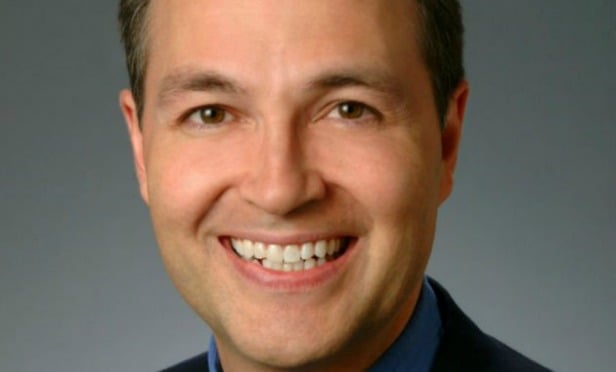
“On a relative basis, when you get to areas like San Francisco and Los Angeles, there aren't a lot of places where building industrial can pencil. Industrial has two Achilles heels,” John Tipton, operating partner at Allen Matkins, tells GlobeSt.com. “One is that if we have another economic situation like we had in 2009 and the whole economy tanks, then that is a problem. The second is that if we got into a vicious trade war, we would be a problem for the distribution warehouses. Generally, however, the growth in ecommerce is just incredible. On a long-term basis, you have to be bullish on that.”
While the outlook was strong in Southern California's three major markets, Los Angeles, Orange County and San Diego, developers in the Northern California markets and the Inland Empire are beginning to sour. In all three Northern California markets reviewed, the East Bay, San Francisco and Silicon Valley, sentiment was both down, meaning that it was lower than the previous survey, and negative. “If you look at that chart, the outlook is actually negative in Northern California,” adds Tipton. “Things have gone so well that when developers are asked to look out at the next three years, they no longer think that it can keep up with that pace. That is the cooling of a white-hot market to a red-hot market.”
While developers are softening on development in some markets, Tipton says that the overall attitude toward the asset class was positive; however, when asked if industrial had become the new darling of the commercial real estate market, he wasn't ready to hand over the crown, which currently resides on the head of multifamily. “That is a hard question because there are different pockets of capital that are focused on different asset classes,” explains Tipton. “There are certainly investors that invest across asset classes. Some people have specialty niches, and come by definition have diversified portfolios for offset risk. I still think of multifamily as a bit more of the bond in the real estate portfolio because people have to have a place to put their head down at night. Rents can stagnate, but even when the economy goes bad, people still have to sleep somewhere. A warehouse, on the other hand, could not be utilized at all.”
Even in the Southern California markets, which still have a positive outlook, sentiment was still down compared to the previous survey. San Diego, actually, was the only market with both positive and improved sentiment. While fundamentals are still strong, and today, the industrial market throughout California is robust, the market may be starting to descend. We'll keep watch.
There is a saying that real estate professionals are caught saying all of the time: “What goes up, must come down.” In the case of the California industrial market, which is setting extreme records and experiencing unyielding growth, professionals are waiting anxiously for the down—or at least a minor market pause—but the end doesn't seem to be near. According to the recent joint venture outlook report from
“On a relative basis, when you get to areas like San Francisco and Los Angeles, there aren't a lot of places where building industrial can pencil. Industrial has two Achilles heels,” John Tipton, operating partner at
While the outlook was strong in Southern California's three major markets, Los Angeles, Orange County and San Diego, developers in the Northern California markets and the Inland Empire are beginning to sour. In all three Northern California markets reviewed, the East Bay, San Francisco and Silicon Valley, sentiment was both down, meaning that it was lower than the previous survey, and negative. “If you look at that chart, the outlook is actually negative in Northern California,” adds Tipton. “Things have gone so well that when developers are asked to look out at the next three years, they no longer think that it can keep up with that pace. That is the cooling of a white-hot market to a red-hot market.”
While developers are softening on development in some markets, Tipton says that the overall attitude toward the asset class was positive; however, when asked if industrial had become the new darling of the commercial real estate market, he wasn't ready to hand over the crown, which currently resides on the head of multifamily. “That is a hard question because there are different pockets of capital that are focused on different asset classes,” explains Tipton. “There are certainly investors that invest across asset classes. Some people have specialty niches, and come by definition have diversified portfolios for offset risk. I still think of multifamily as a bit more of the bond in the real estate portfolio because people have to have a place to put their head down at night. Rents can stagnate, but even when the economy goes bad, people still have to sleep somewhere. A warehouse, on the other hand, could not be utilized at all.”
Even in the Southern California markets, which still have a positive outlook, sentiment was still down compared to the previous survey. San Diego, actually, was the only market with both positive and improved sentiment. While fundamentals are still strong, and today, the industrial market throughout California is robust, the market may be starting to descend. We'll keep watch.
© Arc, All Rights Reserved. Request academic re-use from www.copyright.com. All other uses, submit a request to TMSalesOperations@arc-network.com. For more information visit Asset & Logo Licensing.