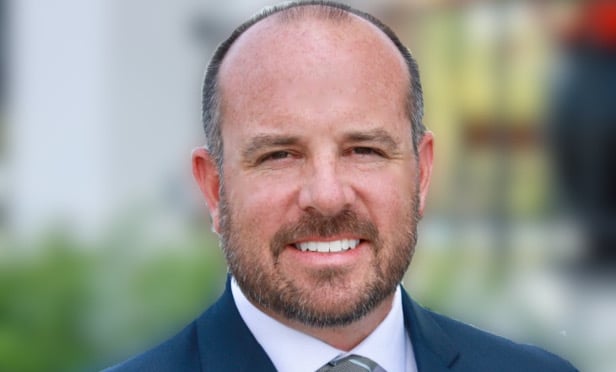
NEWPORT BEACH, CA—As downward pressure on property management's pricing model increases, property managers are being asked to do more and do it well, making expertise in technology that will help them achieve this even more important, Newmark Knight Frank's David Rowley tells GlobeSt.com. Rowley recently joined the firm as regional director of management services for the Southwest region, bringing more than 22 years of commercial real estate management experience to his role.
In his new capacity, Rowley will oversee NKF's Southwest regional operations, implementation of best practices, policies and procedures that maximize the value of real estate assets on behalf of NKF clients.
Prior to joining NKF, Rowley served as managing director of investor services for the Western region at Colliers International, where he was responsible for strategic leadership focused on growing investor-based business. One of his main focuses has been property management.
We spoke with Rowley about his new role and how property managers can adapt to their shifting role in commercial real estate.
GlobeSt.com: What are your goals in your new position with NKF?
Rowley: With more than 22 years of experience in the Orange County commercial real estate industry, I have grown passionate about property management and have witnessed the ebbs and flows of this industry. My goal at NKF, under our entrepreneurial spirit, is to elevate the significance of property management in the marketplace with owners and the workforce. Watching NKF build its brokerage and property-management platforms and create organic collaboration opportunities over the years, I plan to leverage the cohesive team to offer our full breadth of services to our clients and illustrate the opportunity for professional growth to talented candidates. Our dynamic and collaborative culture creates an environment for our people to showcase their aptitude and find a healthy work-live balance, producing value for our clients with hard working and passionate teams to service their real estate needs.
GlobeSt.com: The role of property managers is changing dramatically. How do you view this change, and how can property managers adapt to it?
Rowley: Historically, if you go back 100 years, property management functions were segmented and specialized requiring a high degree of staffing. Over the years, due to advancements in technology, the introduction of full-service management strategy and subsequent fee compression, property-management functions became more centralized, requiring a generalist skillset. Trending now are property managers assuming the responsibilities traditionally handled by asset or portfolio managers, such as updating financial models and creating comprehensive business plans, requiring a more dynamic individual with a higher degree of competency in multiple trades. My personal view is that the role of the property manager is evolving into one of a real estate advisor, and property managers will need to adapt by becoming highly productive and efficient.
GlobeSt.com: What are property owners looking for most in property managers today that is hard to find?
Rowley: Owners are having difficulty finding property managers with the tools, resources and a high degree of productivity to efficiently manage day-to-day operations, and ensure their time is focused on what is most important to CRE owners: satisfied tenants, a well-maintained building and marketplace perception.
GlobeSt.com: What else should our readers know about shifts in property management?
Rowley: The property-management industry is ripe for disruption, as evidenced by the large amount of venture capital pouring into CRE technology startups over the last few years. A large percentage of property-management functions can be centralized or automated using specialized software, algorithms and artificial intelligence, significantly reducing workloads and human capital. The challenge over the next few years will be to create a culture with a high-adoption rate of these new systems by training existing property managers and recruiting new talent proficient in using dynamic workload solutions, resulting in highly productive property managers focused on creating value for clients. NKF's property-management platform is well positioned to be a market leader in this area.
NEWPORT BEACH, CA—As downward pressure on property management's pricing model increases, property managers are being asked to do more and do it well, making expertise in technology that will help them achieve this even more important, Newmark Knight Frank's David Rowley tells GlobeSt.com. Rowley recently joined the firm as regional director of management services for the Southwest region, bringing more than 22 years of commercial real estate management experience to his role.
In his new capacity, Rowley will oversee NKF's Southwest regional operations, implementation of best practices, policies and procedures that maximize the value of real estate assets on behalf of NKF clients.
Prior to joining NKF, Rowley served as managing director of investor services for the Western region at Colliers International, where he was responsible for strategic leadership focused on growing investor-based business. One of his main focuses has been property management.
We spoke with Rowley about his new role and how property managers can adapt to their shifting role in commercial real estate.
GlobeSt.com: What are your goals in your new position with NKF?
Rowley: With more than 22 years of experience in the Orange County commercial real estate industry, I have grown passionate about property management and have witnessed the ebbs and flows of this industry. My goal at NKF, under our entrepreneurial spirit, is to elevate the significance of property management in the marketplace with owners and the workforce. Watching NKF build its brokerage and property-management platforms and create organic collaboration opportunities over the years, I plan to leverage the cohesive team to offer our full breadth of services to our clients and illustrate the opportunity for professional growth to talented candidates. Our dynamic and collaborative culture creates an environment for our people to showcase their aptitude and find a healthy work-live balance, producing value for our clients with hard working and passionate teams to service their real estate needs.
GlobeSt.com: The role of property managers is changing dramatically. How do you view this change, and how can property managers adapt to it?
Rowley: Historically, if you go back 100 years, property management functions were segmented and specialized requiring a high degree of staffing. Over the years, due to advancements in technology, the introduction of full-service management strategy and subsequent fee compression, property-management functions became more centralized, requiring a generalist skillset. Trending now are property managers assuming the responsibilities traditionally handled by asset or portfolio managers, such as updating financial models and creating comprehensive business plans, requiring a more dynamic individual with a higher degree of competency in multiple trades. My personal view is that the role of the property manager is evolving into one of a real estate advisor, and property managers will need to adapt by becoming highly productive and efficient.
GlobeSt.com: What are property owners looking for most in property managers today that is hard to find?
Rowley: Owners are having difficulty finding property managers with the tools, resources and a high degree of productivity to efficiently manage day-to-day operations, and ensure their time is focused on what is most important to CRE owners: satisfied tenants, a well-maintained building and marketplace perception.
GlobeSt.com: What else should our readers know about shifts in property management?
Rowley: The property-management industry is ripe for disruption, as evidenced by the large amount of venture capital pouring into CRE technology startups over the last few years. A large percentage of property-management functions can be centralized or automated using specialized software, algorithms and artificial intelligence, significantly reducing workloads and human capital. The challenge over the next few years will be to create a culture with a high-adoption rate of these new systems by training existing property managers and recruiting new talent proficient in using dynamic workload solutions, resulting in highly productive property managers focused on creating value for clients. NKF's property-management platform is well positioned to be a market leader in this area.
© Arc, All Rights Reserved. Request academic re-use from www.copyright.com. All other uses, submit a request to TMSalesOperations@arc-network.com. For more information visit Asset & Logo Licensing.