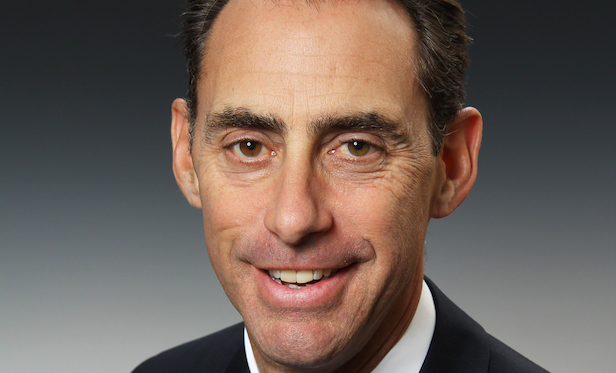
The office market is starting to split in two. Creative office and traditional office are servicing a very different tenant base, and brokers are becoming more specialized in each space, according to Jeff Rinkov, CEO of Lee & Associates. The creative office market has a campus environment and often service younger and more creative tenants, and that needs a more specialized service. While the there are few economic reports that separate the markets, Rinkov says that creative tends to be a driver of the office market and sees more demand and rental premiums.
“We are looking at the markets differently,” Rinkov tells GlobeSt.com. “If you take strong metropolitan markets, where we see an abundance and a high demand of creative office, we are seeing a specialization in that. It is typically more low-rise and converted space. We see quite a few class-B landlords looking to convert their space to what looks like creative space with heightened ceilings and polished concrete. That might be good enough for some, but true creative office is built around a campus-style environment. That is requiring a specialization.”
The demand for creative office is spreading to secondary urban markets, like Seattle and Denver. Rising costs for housing and other lifestyle needs in developed urban markets are driving talent and young families to these secondary markets, and companies are following or start-ups are sprouting as a result. Silicon Valley has gotten so expensive and costly, but the growth of companies in there is so tremendous and they have a continued need for an educated employment pool. I think they are finding that, while the Northern California market is producing a number of talented, skilled people, they can't find housing for them. That has created younger markets in places like Seattle, Portland, Denver, Salt Lake City, Las Vegas and Austin. Those are also places where we see a large number of young educated people interested in those jobs.
Rinkov says that there is similar growth in Northeast markets as well, where millennials are moving to secondary markets and driving demand. Even in these secondary locations, the tech, media and entertainment are still driving demand for creative space. “A tremendous amount of job growth and demand for creative space is driven by the technology and media firms,” says Rinkov.
The office market is starting to split in two. Creative office and traditional office are servicing a very different tenant base, and brokers are becoming more specialized in each space, according to Jeff Rinkov, CEO of Lee & Associates. The creative office market has a campus environment and often service younger and more creative tenants, and that needs a more specialized service. While the there are few economic reports that separate the markets, Rinkov says that creative tends to be a driver of the office market and sees more demand and rental premiums.
“We are looking at the markets differently,” Rinkov tells GlobeSt.com. “If you take strong metropolitan markets, where we see an abundance and a high demand of creative office, we are seeing a specialization in that. It is typically more low-rise and converted space. We see quite a few class-B landlords looking to convert their space to what looks like creative space with heightened ceilings and polished concrete. That might be good enough for some, but true creative office is built around a campus-style environment. That is requiring a specialization.”
The demand for creative office is spreading to secondary urban markets, like Seattle and Denver. Rising costs for housing and other lifestyle needs in developed urban markets are driving talent and young families to these secondary markets, and companies are following or start-ups are sprouting as a result. Silicon Valley has gotten so expensive and costly, but the growth of companies in there is so tremendous and they have a continued need for an educated employment pool. I think they are finding that, while the Northern California market is producing a number of talented, skilled people, they can't find housing for them. That has created younger markets in places like Seattle, Portland, Denver, Salt Lake City, Las Vegas and Austin. Those are also places where we see a large number of young educated people interested in those jobs.
Rinkov says that there is similar growth in Northeast markets as well, where millennials are moving to secondary markets and driving demand. Even in these secondary locations, the tech, media and entertainment are still driving demand for creative space. “A tremendous amount of job growth and demand for creative space is driven by the technology and media firms,” says Rinkov.
© Arc, All Rights Reserved. Request academic re-use from www.copyright.com. All other uses, submit a request to TMSalesOperations@arc-network.com. For more information visit Asset & Logo Licensing.