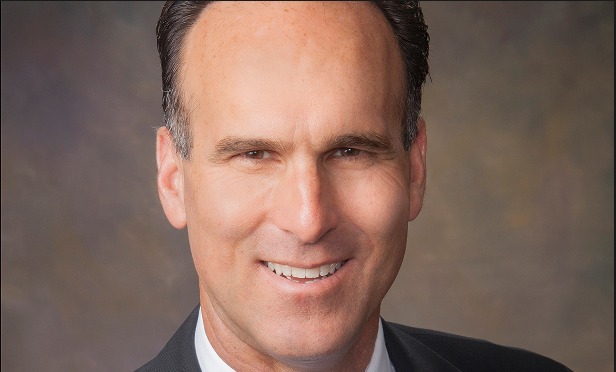
Rental rates for logistics industrial properties have soared, according to new research from CBRE. In the second quarter, logistics rents were up 9.2% year-over-year to $8.62 per square foot, making it one of the most expensive markets in the world. Industrial rates in general are up, as a result from increasing demand from ecommerce users, and of the 70 markets around the globe that were analyzed in the CBRE Global Industrial & Logistics Prime Rents survey, US markets were seeing the most dramatic rental rate increases. To learn more about these rising rents and the impact on the industrial market, we sat down with Kurt Strasmann, Southern California industrial & logistics market leader at CBRE, for an exclusive interview.
GlobeSt.com: We have seen logistics rents in Los Angeles increase dramatically. How is this extreme rise in rents affecting the market?
Kurt Strasmann: The increase has been exceptionally dramatic. Rents over the last couple of years have climbed on a consistent basis, in some cases up to 10-12% annually. Initially, we would see mostly class-A product benefiting, but now the trend is very broad based. Both class-A and B product are hitting new highs almost every month.
GlobeSt.com: What is driving rents to these extreme highs?
Strasmann: What is pushing rents to these records is the steady and constant expansion of business coupled with very limited supply—especially in infill markets such as L.A. and Orange County. Development simply cannot keep up with demand. Secondly, the emergence of e-commerce has significantly impacted the situation and has been a huge driver of new absorption, something that did not really exist 5 years ago. The end result has been unbelievably positive fundamentals for industrial real estate: big demand with limited supply.
GlobeSt.com: Is there still room for rents to continue to increase further?
Strasmann: Yes, in almost all submarkets and size ranges there is still room for more rent appreciation. The only area where rents have been somewhat flattening recently has been in the Inland Empire East market at some of the large big box opportunities.
GlobeSt.com: What types of users are paying these rents, and is it changing the tenant mix in the market?
Strasmann: Pretty much all users are paying these types of rents. Once in the market, all of them compete against each other for the same availability. It doesn't really have anything to do with what type of industry even though certainly the big e-commerce-related players have been the most noticeable.
GlobeSt.com: Despite being one of the most active industrial markets in the country, Los Angeles does not have the highest rent growth. Why is that, and how does the market compare with other industrial markets on the West Coast?
Strasmann: L.A. continues to be one of the most sought-after markets in the nation. Other terrific markets such as Seattle and the Bay Area were a little behind the Greater Los Angeles region in this recovery and are now catching up fast with big rent growth.
Rental rates for logistics industrial properties have soared, according to new research from CBRE. In the second quarter, logistics rents were up 9.2% year-over-year to $8.62 per square foot, making it one of the most expensive markets in the world. Industrial rates in general are up, as a result from increasing demand from ecommerce users, and of the 70 markets around the globe that were analyzed in the CBRE Global Industrial & Logistics Prime Rents survey, US markets were seeing the most dramatic rental rate increases. To learn more about these rising rents and the impact on the industrial market, we sat down with Kurt Strasmann, Southern California industrial & logistics market leader at CBRE, for an exclusive interview.
GlobeSt.com: We have seen logistics rents in Los Angeles increase dramatically. How is this extreme rise in rents affecting the market?
Kurt Strasmann: The increase has been exceptionally dramatic. Rents over the last couple of years have climbed on a consistent basis, in some cases up to 10-12% annually. Initially, we would see mostly class-A product benefiting, but now the trend is very broad based. Both class-A and B product are hitting new highs almost every month.
GlobeSt.com: What is driving rents to these extreme highs?
Strasmann: What is pushing rents to these records is the steady and constant expansion of business coupled with very limited supply—especially in infill markets such as L.A. and Orange County. Development simply cannot keep up with demand. Secondly, the emergence of e-commerce has significantly impacted the situation and has been a huge driver of new absorption, something that did not really exist 5 years ago. The end result has been unbelievably positive fundamentals for industrial real estate: big demand with limited supply.
GlobeSt.com: Is there still room for rents to continue to increase further?
Strasmann: Yes, in almost all submarkets and size ranges there is still room for more rent appreciation. The only area where rents have been somewhat flattening recently has been in the Inland Empire East market at some of the large big box opportunities.
GlobeSt.com: What types of users are paying these rents, and is it changing the tenant mix in the market?
Strasmann: Pretty much all users are paying these types of rents. Once in the market, all of them compete against each other for the same availability. It doesn't really have anything to do with what type of industry even though certainly the big e-commerce-related players have been the most noticeable.
GlobeSt.com: Despite being one of the most active industrial markets in the country, Los Angeles does not have the highest rent growth. Why is that, and how does the market compare with other industrial markets on the West Coast?
Strasmann: L.A. continues to be one of the most sought-after markets in the nation. Other terrific markets such as Seattle and the Bay Area were a little behind the Greater Los Angeles region in this recovery and are now catching up fast with big rent growth.
© Arc, All Rights Reserved. Request academic re-use from www.copyright.com. All other uses, submit a request to TMSalesOperations@arc-network.com. For more information visit Asset & Logo Licensing.