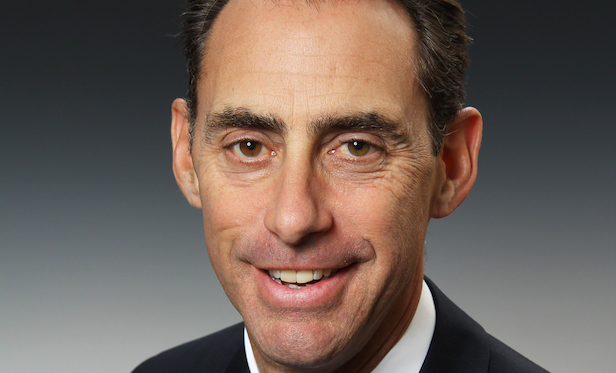
The Los Angeles industrial market is hotter than ever. The strong absorption and historically low vacancy rate has fueled record-breaking rental rates, but according to Lee & Associates CEO Jeff Rinkov, the soaring rates are the result of more than just tremendous demand. While demand is the primary driver, increasing land prices and new construction is also contributing to the increasing rates.
“Rent growth is really being driven by new construction and by the underlying land prices,” Rinkov tells GlobeSt.com. “That rent is needed to underwrite these high land prices and projects. We still have a number of large companies making forward commitments on yet-to-be completed buildings, and I think that we are going to see very low, if not new historically low vacancy rates.”
It isn't only vacancy rates that Rinkov expects to inch down, he also expects more rental rate growth through the end of the year, especially for class-A space. “With so much class-A space being delivered and new construction that is going to come online, I think that there is room for some rent growth,” says Rinkov. “I think we are going to see strong absorption and continued rent growth through the balance of the year.”
The industrial market has been active for the last several years, with ecommerce as the main driver; however, the recent growth in the market is extreme. It surpasses the already steep growth curve that the market has experienced this cycle. To some, this might feel like a boom-bust cycle, but Rinkov says that the strong market fundamentals don't; show any warning signs of an impending bust. “There is a chance that slowing in rent and a slight leveling off may feel like a bust, but with markets that are 1% to 3% vacant and even in markets with 8% to 10% vacancy and there is available land, I don't see a bust cycle coming,” he says. “Given where we have interest rates and a measured deployment of debt, I think we are well below normal vacancy rates on a historical basis. Landlords may not like a leveling effect, but that would be more of a normalization. That honestly will sustain the trajectory of our cycle than continued aggressive rent growth.”
The Los Angeles industrial market is hotter than ever. The strong absorption and historically low vacancy rate has fueled record-breaking rental rates, but according to Lee & Associates CEO Jeff Rinkov, the soaring rates are the result of more than just tremendous demand. While demand is the primary driver, increasing land prices and new construction is also contributing to the increasing rates.
“Rent growth is really being driven by new construction and by the underlying land prices,” Rinkov tells GlobeSt.com. “That rent is needed to underwrite these high land prices and projects. We still have a number of large companies making forward commitments on yet-to-be completed buildings, and I think that we are going to see very low, if not new historically low vacancy rates.”
It isn't only vacancy rates that Rinkov expects to inch down, he also expects more rental rate growth through the end of the year, especially for class-A space. “With so much class-A space being delivered and new construction that is going to come online, I think that there is room for some rent growth,” says Rinkov. “I think we are going to see strong absorption and continued rent growth through the balance of the year.”
The industrial market has been active for the last several years, with ecommerce as the main driver; however, the recent growth in the market is extreme. It surpasses the already steep growth curve that the market has experienced this cycle. To some, this might feel like a boom-bust cycle, but Rinkov says that the strong market fundamentals don't; show any warning signs of an impending bust. “There is a chance that slowing in rent and a slight leveling off may feel like a bust, but with markets that are 1% to 3% vacant and even in markets with 8% to 10% vacancy and there is available land, I don't see a bust cycle coming,” he says. “Given where we have interest rates and a measured deployment of debt, I think we are well below normal vacancy rates on a historical basis. Landlords may not like a leveling effect, but that would be more of a normalization. That honestly will sustain the trajectory of our cycle than continued aggressive rent growth.”
© Arc, All Rights Reserved. Request academic re-use from www.copyright.com. All other uses, submit a request to TMSalesOperations@arc-network.com. For more information visit Asset & Logo Licensing.