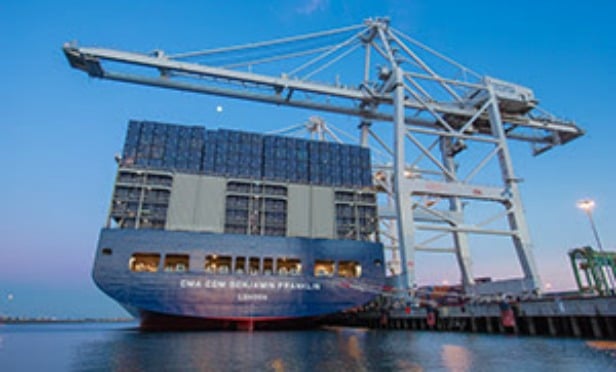
The Port of Long Beach has achieved record-breaking reductions in pollution. According to a new air pollution report, the Port of Long Beach has reduced diesel particulate matter by 88% since adopting its clean air action plan in 2006. The port has been slowly moving toward zero emissions. The report also shows that Smog-forming nitrogen oxides are down 56% and greenhouse gases are down 22%, both records for pollution reduction. Sulfur oxides held steady at 97% lower and 11% of the port's fleet of cargo-handling equipment is zero-emissions. To find out about the reduction in air quality and the port's other reduction goals, we sat down with Lee Peterson at the Port of Long Beach for an exclusive interview.
GlobeSt.com: This has been a long-term goal for the port. How does it feel to be able to make this announcement?
Lee Peterson: The dramatic reduction in air pollution emissions from 2005 to 2016 came even as we experienced just about the same about of cargo (1 percent more cargo in 2016). It's good to see that we are able to reduce emissions even as we continue to move a lot of cargo. These results show that the Clean Air Action Plan is working and that the ports are able to meet the clean air commitments we are making.
GlobeSt.com: What are some of the ways that you were able to drive down pollution and improve air quality?
Peterson: Pollution was reduced by a number of factors. More ships at berth started to plug in for shore power, in order to turn off their diesel engines. The Long Beach Container Terminal at Pier E (Middle Harbor) started up in April 2016 with its first phase, and that is an all-electric operation that reduces emissions.
GlobeSt.com: What has the reaction been from the community?
Peterson: Over the years, the community has noticed and has welcomed the continuing improvement in air quality. Part of our commitment to the community was to make these reductions and in doing so, be a good neighbor. In Long Beach, people understand the economic importance of the Port and they are always pleased to learn when the Port is helping both the economy and the environment at the same time.
GlobeSt.com: Has the reduction in pollution or focus on becoming a clean port affect your cargo activity in either a positive or negative way?
Peterson: To continue to operate in this city and this region, we must be a good neighbor. The port cannot grow and continue to generate jobs and economic activity without environmental sustainability. The progress we make in environmental sustainability is helping to improve efficiency and lay the foundation for even more business to take place. Most ports around the world will eventually have to undergo the same transformation that we have in greening our Port. We are leaders in the field and we can show others how to improve.
GlobeSt.com: Now that you have achieved this goal, what is next?
Peterson: Our goal now is to continue to reduce air pollution emissions and the health risks from port-related air pollution. We are working on the 2017 Clean Air Action Plan Update, which is aiming for zero-emissions port operations by 2035.
The Port of Long Beach has achieved record-breaking reductions in pollution. According to a new air pollution report, the Port of Long Beach has reduced diesel particulate matter by 88% since adopting its clean air action plan in 2006. The port has been slowly moving toward zero emissions. The report also shows that Smog-forming nitrogen oxides are down 56% and greenhouse gases are down 22%, both records for pollution reduction. Sulfur oxides held steady at 97% lower and 11% of the port's fleet of cargo-handling equipment is zero-emissions. To find out about the reduction in air quality and the port's other reduction goals, we sat down with Lee Peterson at the Port of Long Beach for an exclusive interview.
GlobeSt.com: This has been a long-term goal for the port. How does it feel to be able to make this announcement?
Lee Peterson: The dramatic reduction in air pollution emissions from 2005 to 2016 came even as we experienced just about the same about of cargo (1 percent more cargo in 2016). It's good to see that we are able to reduce emissions even as we continue to move a lot of cargo. These results show that the Clean Air Action Plan is working and that the ports are able to meet the clean air commitments we are making.
GlobeSt.com: What are some of the ways that you were able to drive down pollution and improve air quality?
Peterson: Pollution was reduced by a number of factors. More ships at berth started to plug in for shore power, in order to turn off their diesel engines. The Long Beach Container Terminal at Pier E (Middle Harbor) started up in April 2016 with its first phase, and that is an all-electric operation that reduces emissions.
GlobeSt.com: What has the reaction been from the community?
Peterson: Over the years, the community has noticed and has welcomed the continuing improvement in air quality. Part of our commitment to the community was to make these reductions and in doing so, be a good neighbor. In Long Beach, people understand the economic importance of the Port and they are always pleased to learn when the Port is helping both the economy and the environment at the same time.
GlobeSt.com: Has the reduction in pollution or focus on becoming a clean port affect your cargo activity in either a positive or negative way?
Peterson: To continue to operate in this city and this region, we must be a good neighbor. The port cannot grow and continue to generate jobs and economic activity without environmental sustainability. The progress we make in environmental sustainability is helping to improve efficiency and lay the foundation for even more business to take place. Most ports around the world will eventually have to undergo the same transformation that we have in greening our Port. We are leaders in the field and we can show others how to improve.
GlobeSt.com: Now that you have achieved this goal, what is next?
Peterson: Our goal now is to continue to reduce air pollution emissions and the health risks from port-related air pollution. We are working on the 2017 Clean Air Action Plan Update, which is aiming for zero-emissions port operations by 2035.
© Arc, All Rights Reserved. Request academic re-use from www.copyright.com. All other uses, submit a request to TMSalesOperations@arc-network.com. For more information visit Asset & Logo Licensing.