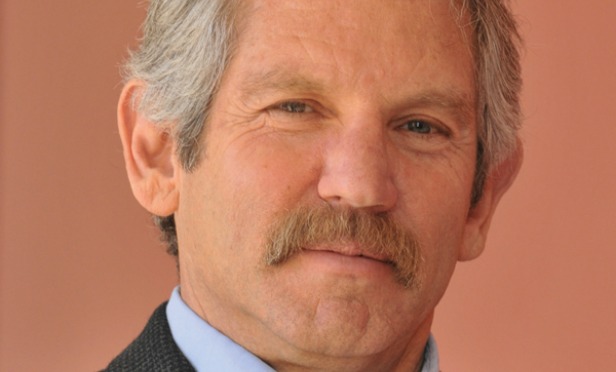
The housing affordability crisis may been one of the most pressing issues that we face. The issue is so pressing, in fact, that UCLA Ziman Center for Real Estate has launched the UCLA Affordable Housing Policy Briefs, a new series of research reports that focus on affordability issues. The first in the series is titled Why Affordability Matters, authored by Stuart A. Gabriel and Gary Dean Painter, and explores the increase in rent-burdened households nationwide. “Rent-burdened” is defined as households that contribute more than 30% of their income to rent, and as of 2015, more than half of the households in the US were considered rent-burdened. Washington D.C., San Francisco, Los Angeles, New York and Miami, consecutively, are the most rent-burdened households in the country, and when the research isolates for low-income households with less than $15,000 in annual income, the numbers are even more staggering. The chart below shows the share of renters with cost burdens by city. We sat down with Gabriel, , Arden Realty Chair, professor of finance and director at Richard S. Ziman Center for Real Estate at UCLA, to talk about the affordability crisis and why the number of rent-burden households is increasing.
GlobeSt.com: First, tell me about the impetus to launch a series of study focusing on the affordability crisis.
Stuart Gabriel: Over the course of the last four or five years, there is increasing emphasis on research, teaching, conferences, course development and you name it directed to issues of affordable housing and understanding, assessing and measuring affordable housing. This is a very serious challenge and may be among the more pressing domestic policy issues here in the United States.
GlobeSt.com: The increase in rent-burdened households is interesting, especially considering that there has been no wage growth. Is the growth of rent-burden only supply driven?
Gabriel: The scarcity of affordable housing derives from a few influences. One is the financial crisis, and what happened in the financial crisis in important regions of the country, notably California and Southern California, is that there was a major exodus of households from owner-occupied houses into rental housing. We had an unprecedented level of mortgage defaults and home foreclosure and those households that were displaced from homeownership by definition went into the rental sector. So, we had a big outward shift in demand for rental housing. That is one major influence. Another influence has been a secular trend in the demand for housing away from suburbs toward central cities over the course of the last couple of decades.
GlobeSt.com: Has the migration of jobs to urban areas exacerbated the issue?
Gabriel: Without question. The areas like the L.A. metro area becomes very hot in the case of numerous industries in places like Silicon Beach. There is a whole migration of very hot tech firms, and with that there is serious job creation and a set of workers that in many cases rely upon rental housing. This, in turn, pushes up rents and displaces those who cannot afford those higher rents.
GlobeSt.com: What are the economic consequences of this increase in rent-burdened households?
Gabriel: Areas with unaffordable housing, by virtue, become less economically viable. The lack of affordable housing in the San Francisco Bay area has in no small measure led to the creation of Silicon Beach here in L.A. and tech centers in many other parts of the country. Jobs are mobile and firms move, and households can move. The lack of affordable housing is an incredible negative with respect to job creation and job retention in a metropolitan area. If you are mayor of the city of Los Angeles, you are going to very concerned with the strain on economic viability that derives directly from the lack of affordable housing.
© Arc, All Rights Reserved. Request academic re-use from www.copyright.com. All other uses, submit a request to TMSalesOperations@arc-network.com. For more information visit Asset & Logo Licensing.