HOUSTON—With consumer buying patterns driving constant change via e-commerce, returns and the amount of capital spent on reverse logistics strategies are significant. The need for logistics space to facilitate returns and reverse logistics is expected to increase as well.
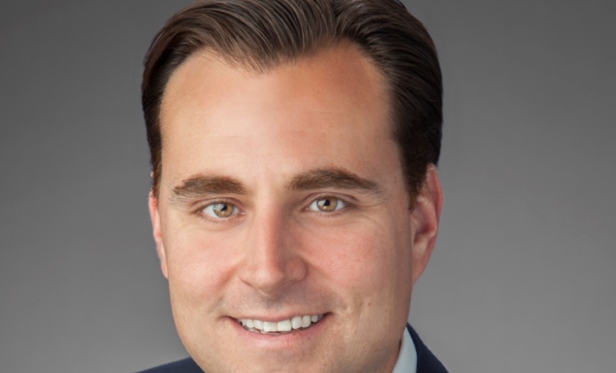
The companies that can create efficiencies for returns in end-to-end supply chain and leverage physical distribution network for cost savings will benefit the most. Jarret Venghaus, executive vice president of JLL's industrial services group, recently discussed reverse logistics and its impact in this exclusive.
GlobeSt.com: How has the growth of e-commerce impacted Houston industrial real estate?
Jarret Venghaus: The growth of e-commerce, and more broadly, retail and consumer goods, has had a notable impact on Houston's industrial real estate market. We've seen sustained strong demand for warehouse, distribution and fulfillment centers as the result of the growing e-commerce sector. That demand has been primarily from retail distribution, consumer goods and logistics tenants. Strong demand for consumer goods has been a driving factor of positive net absorption, particularly in distribution and warehouse-heavy submarkets like the northwest. E-commerce and retail distribution demand has been an important element in sustaining the industrial market during what has been a challenging year for other areas of the Houston economy. The result has been low vacancy and availability across Houston's industrial market.
GlobeSt.com: What makes Houston an attractive market for retail distribution and e-commerce fulfillment centers?
Venghaus: Increasing transportation costs and more demanding service requirements are pushing companies to be closer to their customers. While not as centrally located as some established distribution hubs like DFW or Chicago, Houston is becoming a distribution destination for reasons of its own. With a large and growing population and as a major port market for energy, commodities, breakbulk and increasingly container product, Houston presents a compelling case for retail distribution and e-commerce fulfillment centers. According to the US Census Bureau, Houston is the fourth most populous US city and is expected to grow by approximately 9% during the next five years. This provides companies with both a captive audience of consumers as well as a significant workforce. Houston is also attractive for business operations given its strong pro-business environment. Add to this the region's expansive network of multimodal transportation infrastructure, and Houston is a convincing and strategic distribution location.
GlobeSt.com: What are some of the variables companies have to consider with regards to e-commerce fulfillment centers?
Venghaus: It's no surprise the largest distribution markets in the country are located closest to the largest domestic population centers. But as service and fulfillment requirements become more demanding, site selection decisions for e-commerce, retail and consumer goods distribution, and fulfillment centers are becoming much more regionalized. There are several variables companies should consider with regards to fulfillment and distribution centers. Important site selection influencers such as population and demographics, labor availability, wage rates, energy costs and transportation, as well as local tax and economic incentive opportunities all factor into site selection and supply chain decisions.
GlobeSt.com: What are some of the opportunities and risks that reverse logistics bring into industrial real estate?
Venghaus: With increasing online and mobile commerce, returns and the amount of capital spent on reverse logistics strategies are a potentially growing friction point in supply chains and business operations. Furthermore, how companies handle returns has a meaningful impact on the warehouse and distribution real estate market. Reverse logistics can significantly increase the space requirements of a user or create the need to outsource this capacity altogether.
If companies opt to manage returns in-house, they must plan for how they are processed, from where and whether returned goods are re-stocked into existing inventory. The answers to these questions will impact the company's space requirements and utilization.
For other companies, outsourcing returns to a third-party logistics firm provides flexibility within the supply chain, mitigates costs and helps capitalize on external efficiencies. From the industrial real estate perspective, the outsourcing of the returns process does not eliminate the need for space; it just shifts it to a different occupier. Outsourcing reverse logistics could provide a future boost to space demands from third-party logistics companies that offer these services.
GlobeSt.com: Do you think we'll see e-commerce continue to be a driving factor of Houston's industrial real estate market in the coming year?
Venghaus: Growth in e-commerce is inevitable, as is the growth of Houston's population for the foreseeable future. Demand may decelerate slightly this year as a result of many large e-commerce and consumer goods users having made site selections in the last year, but as e-commerce grows overall, the need for logistics space is expected to increase as well. With population growth and transportation corridors pushing farther into outlying areas, demand for distribution space will increasingly be in suburban and outlier submarkets of Houston.
As previously reported, construction is underway on an 83,125-square-foot class-A speculative warehouse in Grand Prairie, TX.
HOUSTON—With consumer buying patterns driving constant change via e-commerce, returns and the amount of capital spent on reverse logistics strategies are significant. The need for logistics space to facilitate returns and reverse logistics is expected to increase as well.
The companies that can create efficiencies for returns in end-to-end supply chain and leverage physical distribution network for cost savings will benefit the most. Jarret Venghaus, executive vice president of JLL's industrial services group, recently discussed reverse logistics and its impact in this exclusive.
GlobeSt.com: How has the growth of e-commerce impacted Houston industrial real estate?
Jarret Venghaus: The growth of e-commerce, and more broadly, retail and consumer goods, has had a notable impact on Houston's industrial real estate market. We've seen sustained strong demand for warehouse, distribution and fulfillment centers as the result of the growing e-commerce sector. That demand has been primarily from retail distribution, consumer goods and logistics tenants. Strong demand for consumer goods has been a driving factor of positive net absorption, particularly in distribution and warehouse-heavy submarkets like the northwest. E-commerce and retail distribution demand has been an important element in sustaining the industrial market during what has been a challenging year for other areas of the Houston economy. The result has been low vacancy and availability across Houston's industrial market.
GlobeSt.com: What makes Houston an attractive market for retail distribution and e-commerce fulfillment centers?
Venghaus: Increasing transportation costs and more demanding service requirements are pushing companies to be closer to their customers. While not as centrally located as some established distribution hubs like DFW or Chicago, Houston is becoming a distribution destination for reasons of its own. With a large and growing population and as a major port market for energy, commodities, breakbulk and increasingly container product, Houston presents a compelling case for retail distribution and e-commerce fulfillment centers. According to the US Census Bureau, Houston is the fourth most populous US city and is expected to grow by approximately 9% during the next five years. This provides companies with both a captive audience of consumers as well as a significant workforce. Houston is also attractive for business operations given its strong pro-business environment. Add to this the region's expansive network of multimodal transportation infrastructure, and Houston is a convincing and strategic distribution location.
GlobeSt.com: What are some of the variables companies have to consider with regards to e-commerce fulfillment centers?
Venghaus: It's no surprise the largest distribution markets in the country are located closest to the largest domestic population centers. But as service and fulfillment requirements become more demanding, site selection decisions for e-commerce, retail and consumer goods distribution, and fulfillment centers are becoming much more regionalized. There are several variables companies should consider with regards to fulfillment and distribution centers. Important site selection influencers such as population and demographics, labor availability, wage rates, energy costs and transportation, as well as local tax and economic incentive opportunities all factor into site selection and supply chain decisions.
GlobeSt.com: What are some of the opportunities and risks that reverse logistics bring into industrial real estate?
Venghaus: With increasing online and mobile commerce, returns and the amount of capital spent on reverse logistics strategies are a potentially growing friction point in supply chains and business operations. Furthermore, how companies handle returns has a meaningful impact on the warehouse and distribution real estate market. Reverse logistics can significantly increase the space requirements of a user or create the need to outsource this capacity altogether.
If companies opt to manage returns in-house, they must plan for how they are processed, from where and whether returned goods are re-stocked into existing inventory. The answers to these questions will impact the company's space requirements and utilization.
For other companies, outsourcing returns to a third-party logistics firm provides flexibility within the supply chain, mitigates costs and helps capitalize on external efficiencies. From the industrial real estate perspective, the outsourcing of the returns process does not eliminate the need for space; it just shifts it to a different occupier. Outsourcing reverse logistics could provide a future boost to space demands from third-party logistics companies that offer these services.
GlobeSt.com: Do you think we'll see e-commerce continue to be a driving factor of Houston's industrial real estate market in the coming year?
Venghaus: Growth in e-commerce is inevitable, as is the growth of Houston's population for the foreseeable future. Demand may decelerate slightly this year as a result of many large e-commerce and consumer goods users having made site selections in the last year, but as e-commerce grows overall, the need for logistics space is expected to increase as well. With population growth and transportation corridors pushing farther into outlying areas, demand for distribution space will increasingly be in suburban and outlier submarkets of Houston.
As previously reported, construction is underway on an 83,125-square-foot class-A speculative warehouse in Grand Prairie, TX.
© Arc, All Rights Reserved. Request academic re-use from www.copyright.com. All other uses, submit a request to TMSalesOperations@arc-network.com. For more information visit Asset & Logo Licensing.