LOS ANGELES—The Warner Music deal was suppose to be a catalyst for creative office tenancy in the Downtown Los Angeles market—but has it? While creative office is blossoming in other parts of the city, even helping to drive emerging markets like Hollywood and Culver City, Downtown Los Angeles hasn't been able to attract creative tenants. Warner Music's move to the Arts District was supposed to change that, but some experts aren't convinced.
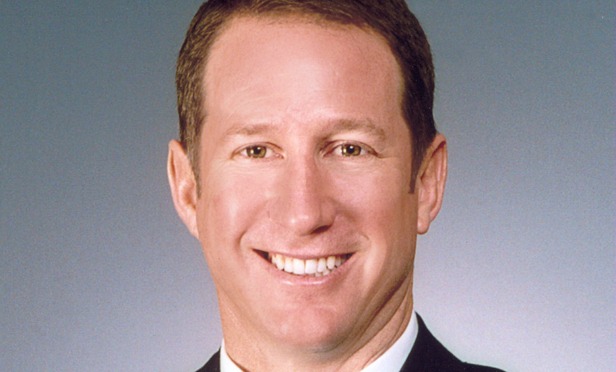
“I don't think that there is any prestige or glow that the Arts District received as a result of Warner Music wanting to locate in the Arts District,” Mike Sullivan, EVP, director and regional manager at Savills Studley, tells GlobeSt.com. “There are not a parade of important users leaving their markets and coming downtown. It isn't like there have been 15 deals since Warner Music to join the parade. The deal was a great sign for the neighborhood as a peripheral market, but it is still a very new market that is difficult to predict.”
Sullivan doesn't even necessary include the Arts District as part of Downtown, but instead calls it a peripheral market. Historically a heavy industrial area, all of the activity in the office sector is new. “The Arts District has never been part of the Downtown office population, and until recently, it wasn't part of any population,” he says. “It wasn't tracked, and the area was never tracked in any reports.”
While Sullivan hasn't seen a huge impact from the lease, at least no yet, other brokers are claiming that the deal had an immediately positive affect on the market. John Zanetos of CBRE says that the lease improved owner sentiment in the area. “The ripple effects have been huge,” Zanetos tells GlobeSt.com. “Without the Warner Music lease, many of the other owners would still be questioning the validity of creative office space in the Arts District. Other projects have already felt a lift in leasing activity due to the Warner Music signing.”
Sullivan adds that the lack of creative leases might have more to do with the availability of creative space more than demand. Warner Music took a redeveloped creative office space, but those are hard to find. “There certainly are tenants that are now considering the Arts District as a result of the Warner Music lease,” he says. “Creative rehab properties are now on the radar; however, there haven't been multiple buildings like that to join the parade.”
LOS ANGELES—The
“I don't think that there is any prestige or glow that the Arts District received as a result of
Sullivan doesn't even necessary include the Arts District as part of Downtown, but instead calls it a peripheral market. Historically a heavy industrial area, all of the activity in the office sector is new. “The Arts District has never been part of the Downtown office population, and until recently, it wasn't part of any population,” he says. “It wasn't tracked, and the area was never tracked in any reports.”
While Sullivan hasn't seen a huge impact from the lease, at least no yet, other brokers are claiming that the deal had an immediately positive affect on the market. John Zanetos of CBRE says that the lease improved owner sentiment in the area. “The ripple effects have been huge,” Zanetos tells GlobeSt.com. “Without the
Sullivan adds that the lack of creative leases might have more to do with the availability of creative space more than demand.
© Arc, All Rights Reserved. Request academic re-use from www.copyright.com. All other uses, submit a request to TMSalesOperations@arc-network.com. For more information visit Asset & Logo Licensing.